

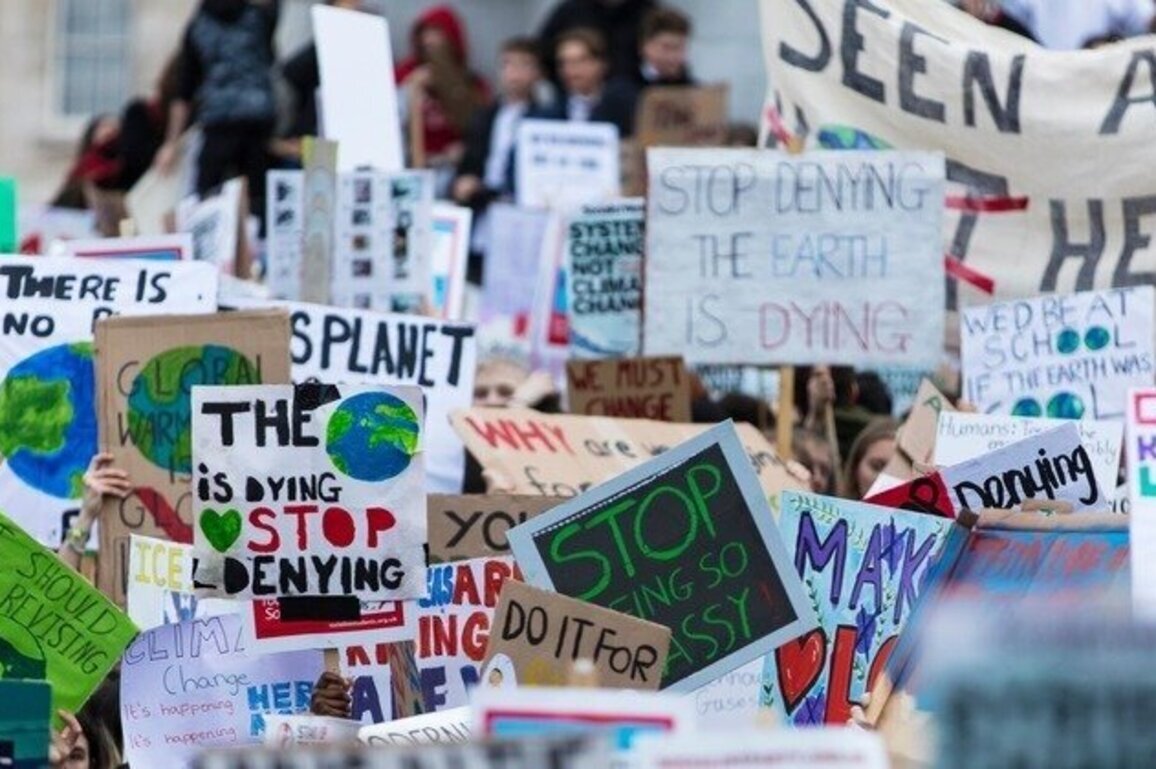
Media coverage of climate change and its effects has declined, despite increasingly severe and unpredictable weather events across the globe.
A report from the University of Colorado showed media coverage of climate change decreased by 14% in 2025 compared to 2024. Just last month, coverage plummeted 31% compared to February of the previous year.
Max Boykoff, professor of environmental studies at the University of Colorado-Boulder, said his study does not examine why there has been a significant drop but he speculates readers can only process so much climate news when issues like war, the cost of living and stagnant wages are top of mind.
"It's a troubling set of developments because many people rely on media accounts to make sense of the world around them," Boykoff observed. "As media coverage diminishes, it works against our own public understanding."
Boykoff said a lack of understanding can also prevent people from taking personal actions to help reduce the effects of climate change. He added some of the coverage previously devoted to the issue is now focused on the Trump administration's withdrawal from the United Nations climate conventions, reduced funding for renewable energy and more.
In Maryland, communities face many challenges from climate change, such as increased flooding from rising sea levels and higher temperatures.
In the U.S., the report showed coverage of climate issues dropped 7% in February of this year compared to January. Boykoff pointed out the drop-off tracks with the high number of layoffs at newspapers in recent years, largely driven by advertisers shifting away from print advertising to digital placements.
"Further media consolidation that's been going on for years but is particularly pronounced right now has led to the shrinking newsrooms and fewer specialist reporters on climate change," Boykoff explained.
Boykoff worries journalists hired to replace veteran reporters as a cost-saving measure may shy away from covering complicated climate issues. The downward trend in coverage comes despite last year marking the highest carbon dioxide concentrations in the atmosphere since records began, fueled in part by energy-related emissions.
Source: Public News Service